

Bring your drug to its patients faster.
The value of a targeted therapy depends on identifying the patients most likely to benefit from it. Our AI-based tests analyze routine pathology slides to identify likely responders, helping more eligible patients access the treatments that could benefit them.

Current standard tests fall short of identifying all patients who could benefit from your drug
No reliable way to predict who will respond
For many therapies, the factors that separate responders from non-responders are still unknown, so treatment decisions rely on incomplete information.
Biomarkers that miss responders
Many current biomarkers are based on a single measurement, which does not always reflect the complexity of the disease. As a result, some patients who could benefit from treatment are not identified, while others who are unlikely to respond are included.
Our solution
A test every patient can access, based on the H&E and IHC slides already used in routine care.
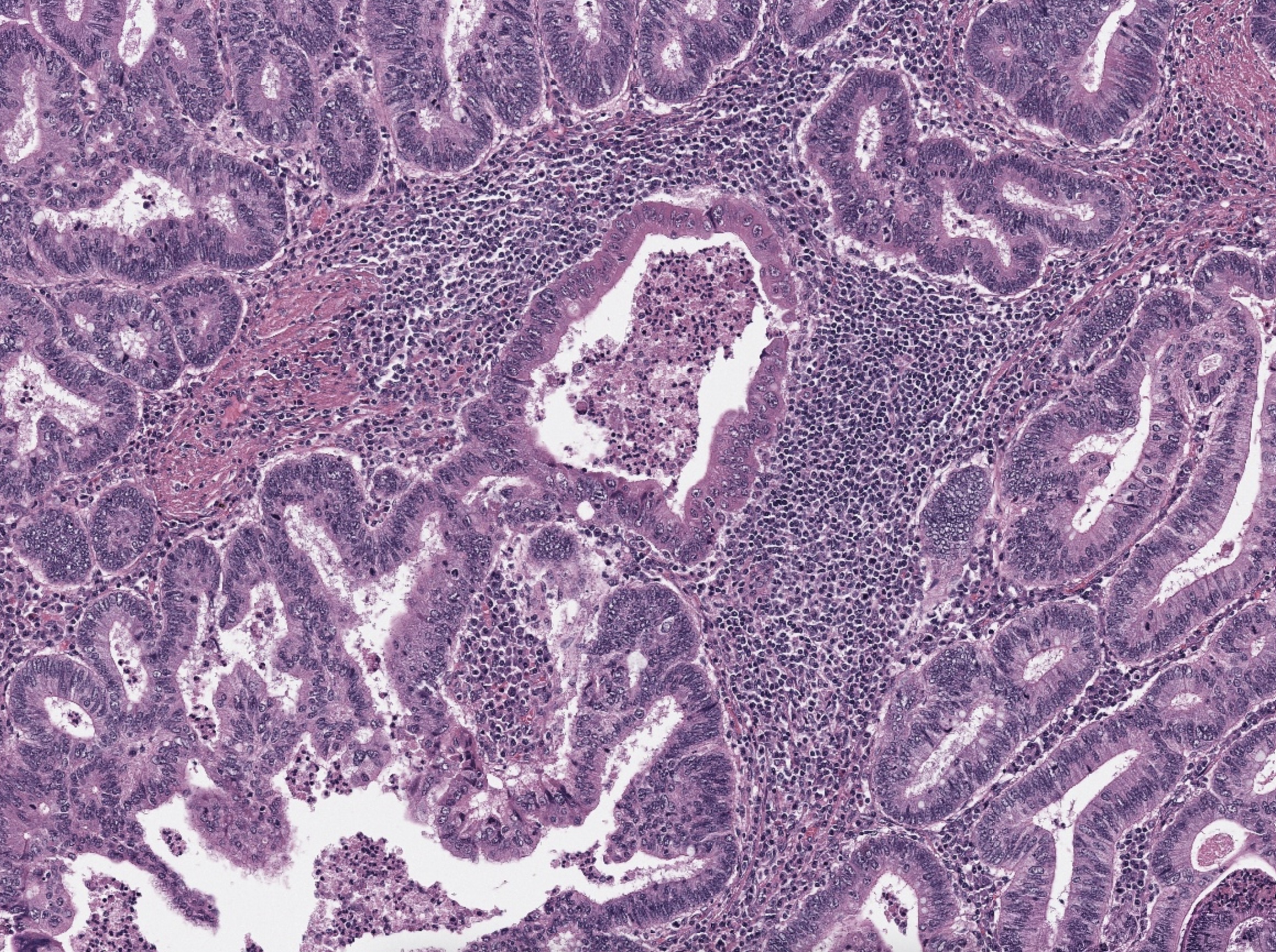
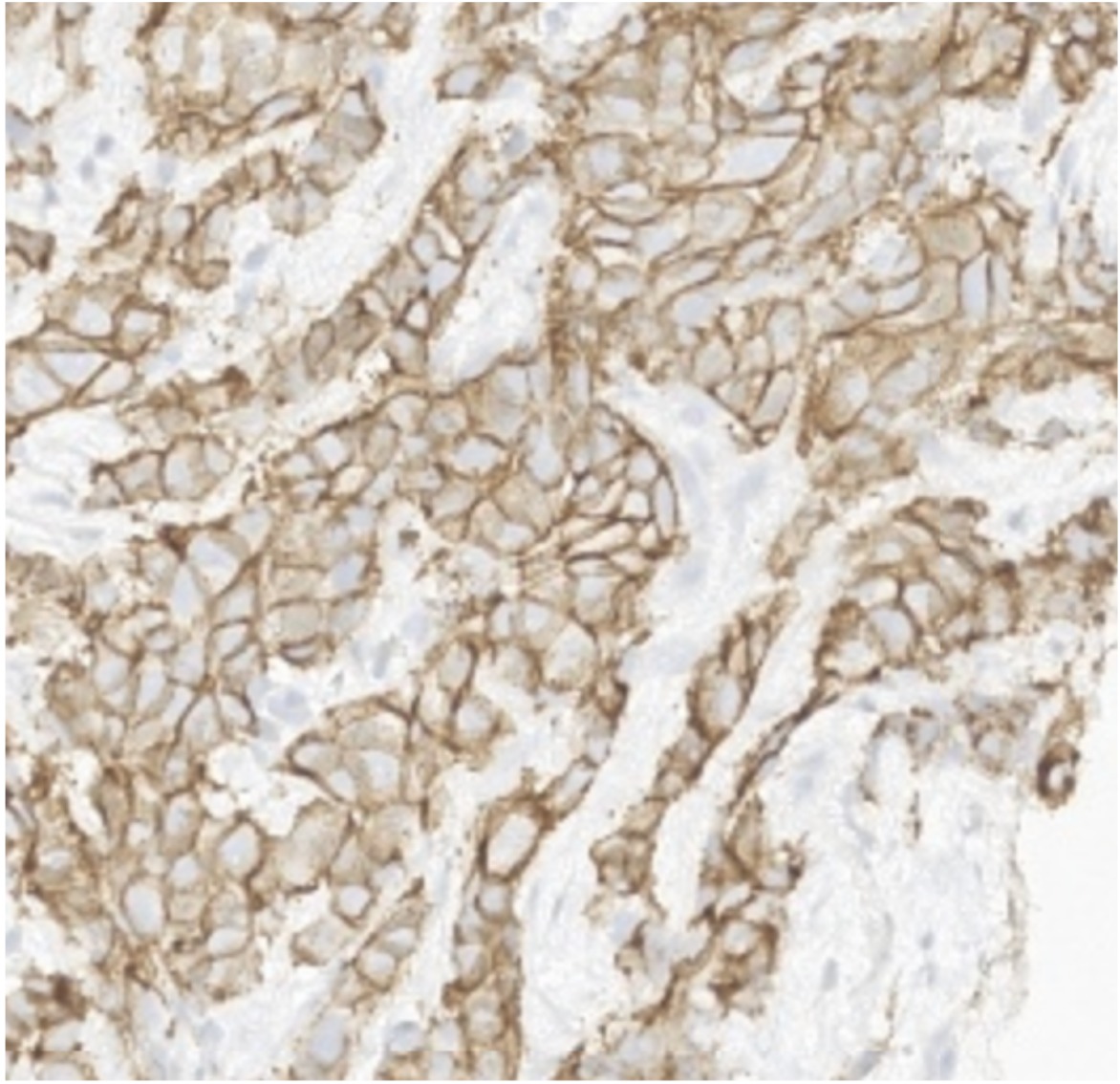
Identifying likely responders
Our AI analyes routine H&E and IHC slides, alongside clinical data where available, to find the features that distinguish patients likely to respond from those who are not.
Capturing more of the biology
Our models integrate multiple morphological and spatial features of the tumor and its microenvironment, so patient eligibility reflects a broader range of the biological factors associated with treatment response.
Selecting the right patients
Patients are classified by their likelihood of responding, giving a more complete picture than a single biomarker cut-off.
Value at any stage
Identifying likely responders can support more efficient trials.
Help more eligible patients be identified and gain access to treatment.
How we work together
Three phases, with a go/no-go decision before you commit to development.
Waiv’s AI pipelines are fine-tuned on your indication for the target clinical question then tested to demonstrate robustness.
no-go
You decide whether to move into product development based on the model results.
Product design, and beta version of the tool for both analytical and clinical performance validation studies. Full AI diagnostic test submission to regulatory bodies.
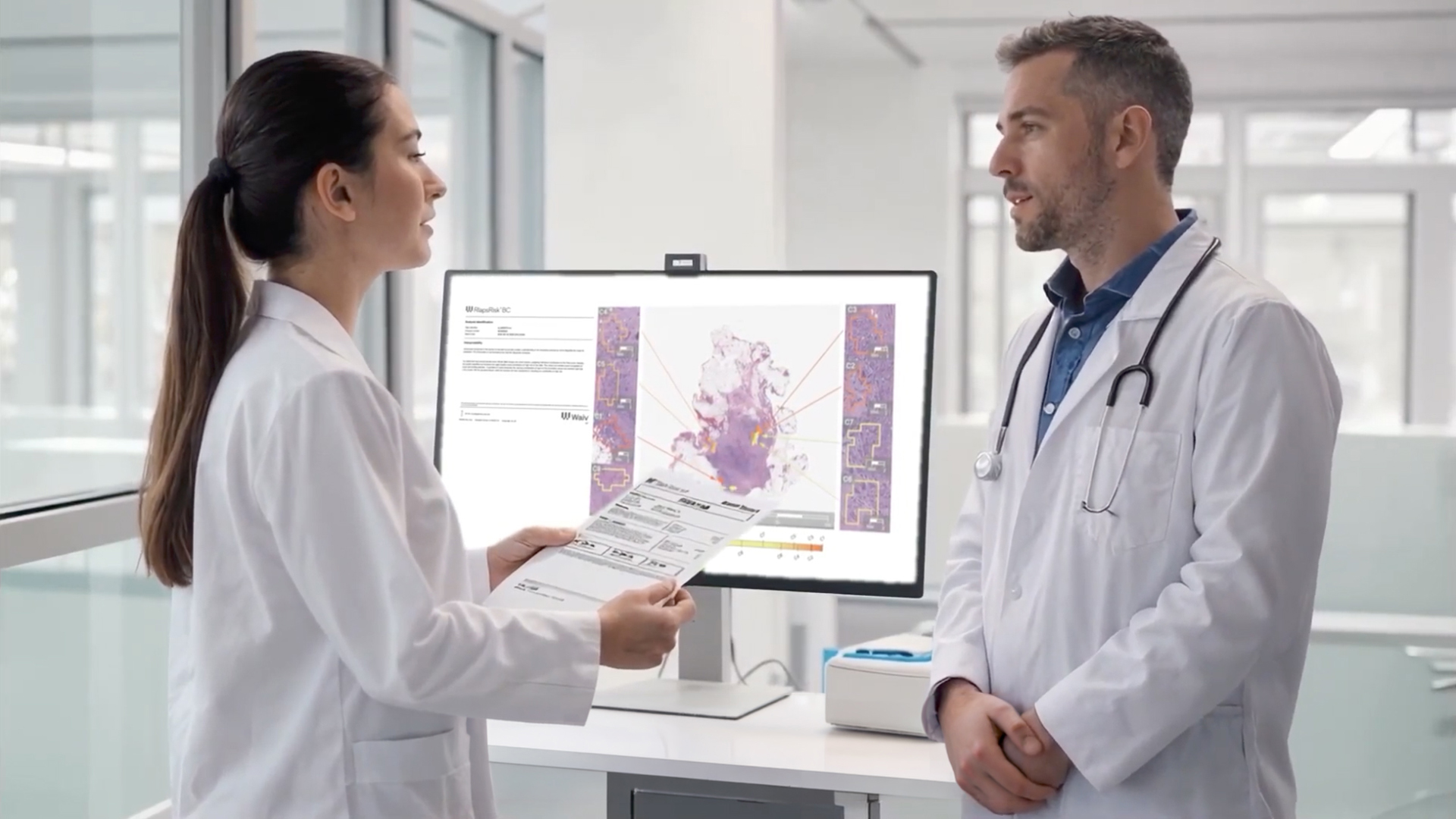
Our partnerships with cloud providers and leading image management platforms make Waiv’s AI available in labs around the world.
Why partner with Waiv
Four strengths behind every co-developed diagnostic.
Foundation models, representation learning and transfer learning, for solutions that generalize across sites and populations.
A large academic data network providing high-quality real-world data for training, testing and validation.
Experience building products for both the US and European markets, on our own and with pharma partners.
Platform-agnostic solutions and a network of distribution partners for broad market coverage.
Quality and regulatory experience
A dedicated quality and regulatory team.
ISO 13485
Certified quality management system for medical devices
IVDR
Working with a notified body under IVDR
ANSM
Audited by the French health authority (ANSM)
FDA
Experienced with FDA presubmissions in the US


Co-development in practice
Two AI diagnostics we’ve built with pharma partners.

Universal MSI screening spends most of its effort on MSS cases, delaying the MSI-H patients who need results most.
An AI test that screens for MSI directly from H&E slides, so confirmatory testing goes to the patients most likely to be MSI-high.
Co-developed with MSD to bring MSI screening to new indications, including endometrial and gastric cancer. MSIntuit CRC is CE-IVDR marked.

Cost, turnaround time, and access barriers in gBRCA testing leave carriers undetected and untreated with eligible targeted therapies
An AI screening test that assesses the likelihood of a germline BRCA mutation from H&E slides in breast cancer.
Developed with AstraZeneca, covering product development and local evidence generation.